One Cold Snap Shouldn't Cost You the Whole Crop
A failed HVAC unit, a stuck damper, or an overnight temperature swing can stress or kill an entire grow cycle before morning. MaxLinc logs temperature, humidity, and VPD continuously and fires instant SMS, call, push, and email alerts the moment a zone drifts out of range. No monthly fee on WiFi.
Protect My HarvestEDGE Air WiFi
Datalogger & Alarm
- Made in CanadaCanadian company, Vancouver BC
- No subscription on WiFi - free foreverEvery alarm and live data included
- 30-Day Money-Back GuaranteeFull refund on unused items - return shipping on us
- 2-year limited warrantyStarts on your purchase date
- Free shipping over $100To Canada & the US - in-stock orders ship within 3 business days
- NIST-traceable optionsCalibration certificate with Pharma probes
Pre-Harvest Monitoring
Ensure optimal growing conditions, VPD tracking, and irrigation performance.
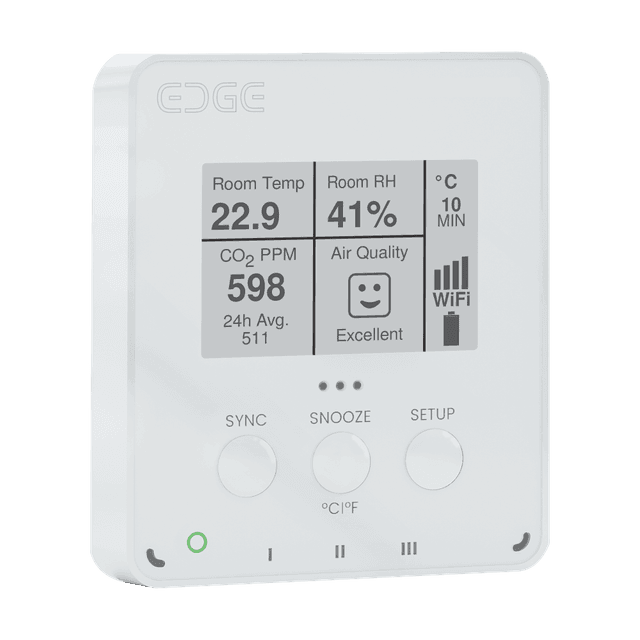
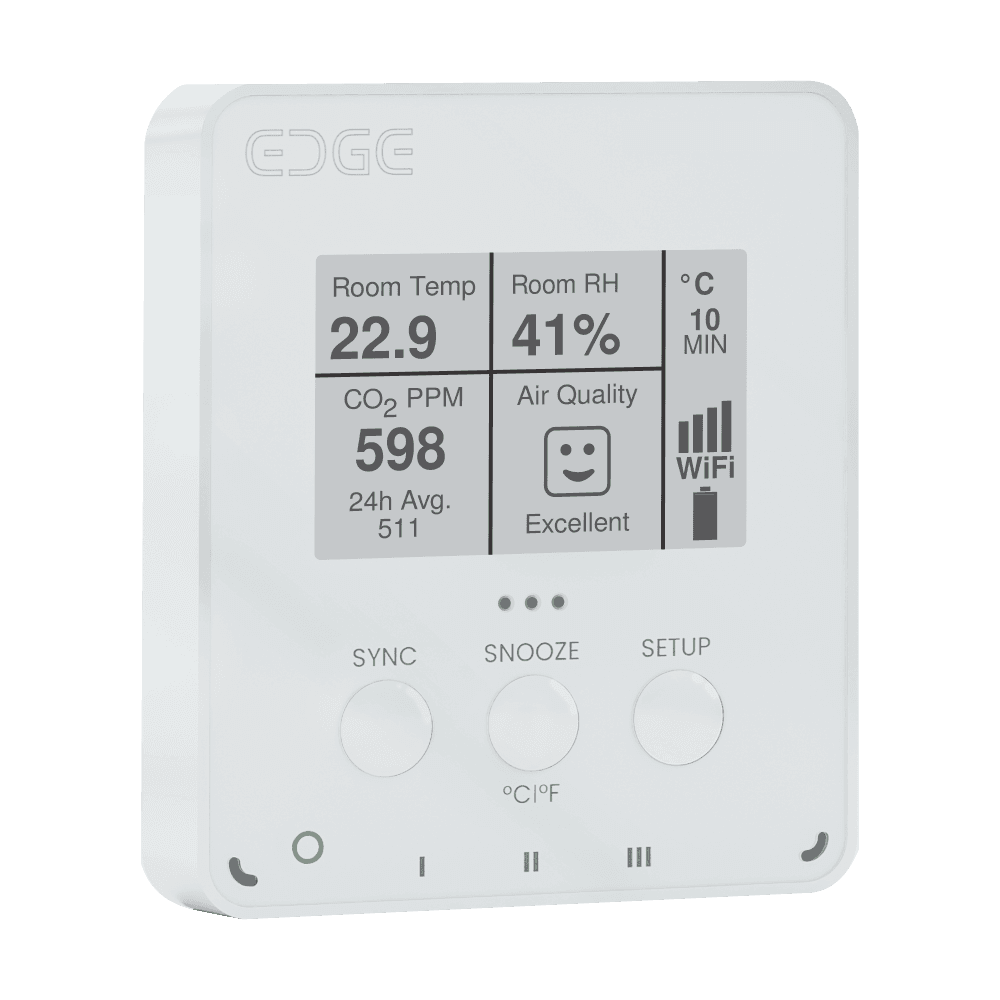
EDGE Air WiFi
Monitors: CO2, VPD, Temp, RH
- • Canopy Microclimate
- • Vapor Pressure Deficit (VPD)
- • Greenhouse Mold Risk
- • CO2, TVOC, Temp & Humidity
- • Live VPD calculation
- • E-ink display (no light pollution)
- • No monthly fee on WiFi (free Standard plan)
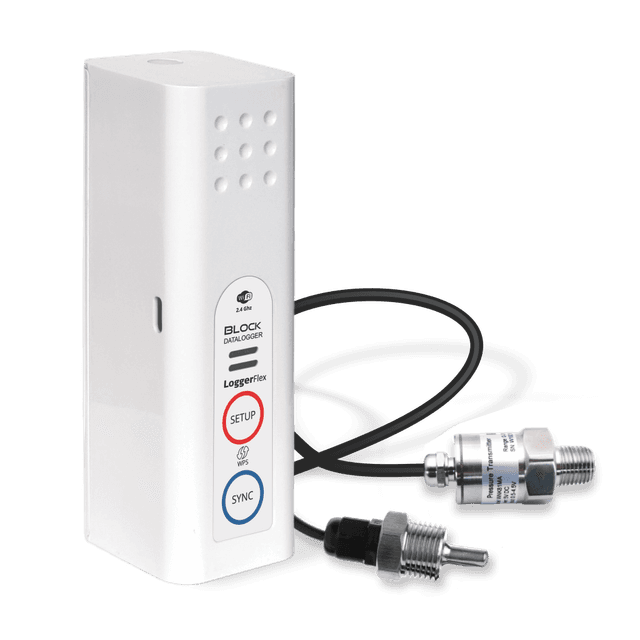
BLOCK Fluid Pressure
Monitors: Fluid Pressure & Temp
- • Irrigation Line Tracking
- • Nutrient Flow Pressure
- • Reservoir Temp Mapping
- • 0-10 bar (0-145 psi) pressure range
- • Fluid temperature sensor
- • Alarm on pressure drop
- • No monthly fee on WiFi (free Standard plan)
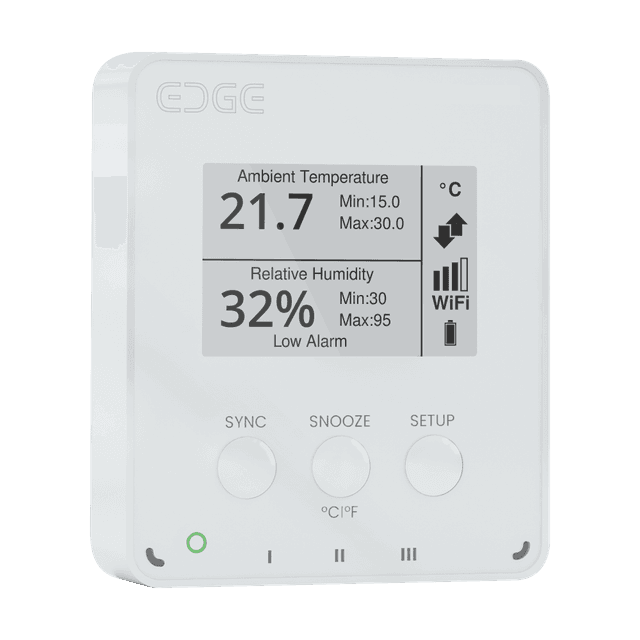
EDGE Essential WiFi
Monitors: Temp & Humidity
- • Drying Rooms
- • Propagation Chambers
- • Curing Vaults
- • E-ink display
- • 4x AA battery powered
- • SMS & Email alarms
- • No monthly fee on WiFi (free Standard plan)
Protect Your Harvest
In Long-Term Storage.
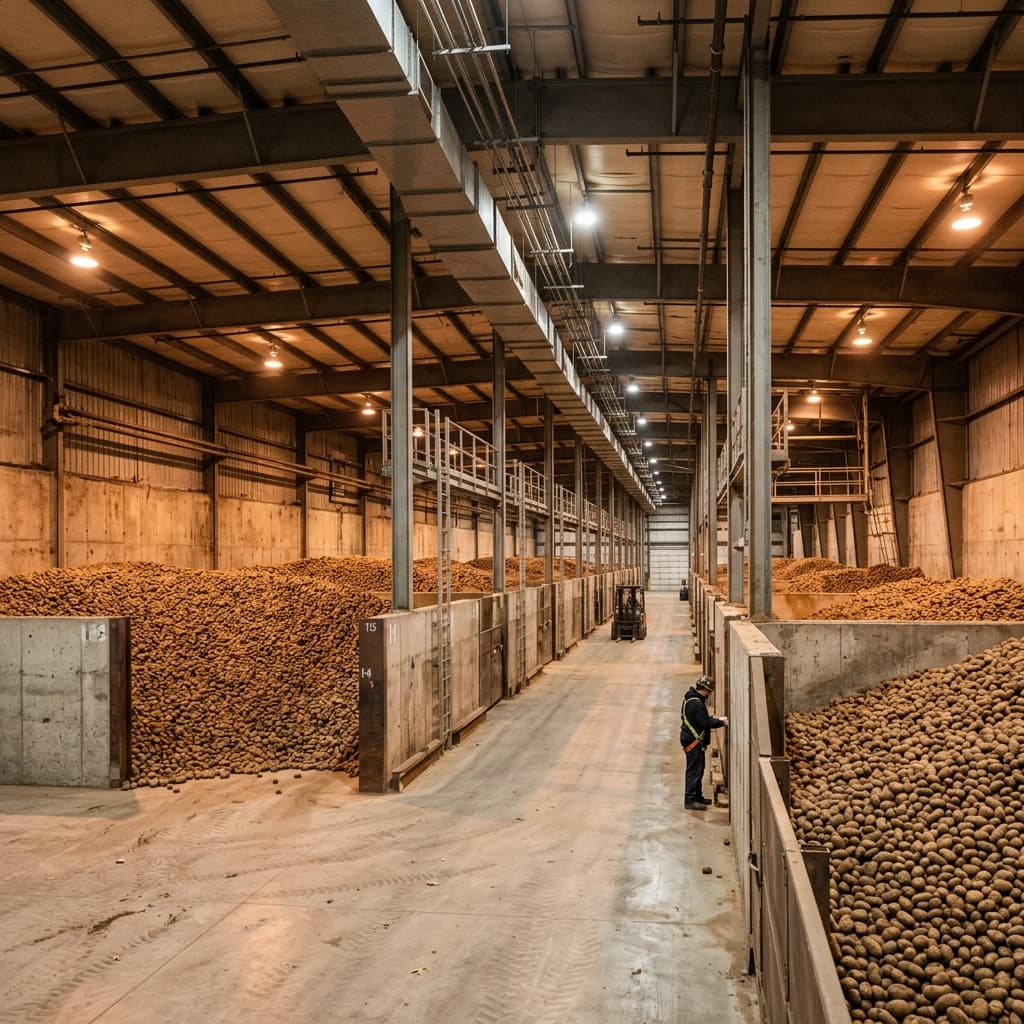
Millions of dollars of produce are lost annually in post-harvest storage. Potatoes, onions, grains, and root vegetables require precisely controlled environments where even small deviations in temperature or relative humidity can trigger sprouting, rot, or condensation damage across entire warehouses.
Monitoring TVOC (Total Volatile Organic Compounds) provides an early warning of spoilage gases released as produce begins to deteriorate - often days before visible signs appear. Combined with continuous temperature and RH tracking, growers can intervene early, adjust ventilation, and preserve crop value throughout the storage season.
Temperature Stability
Prevent sprouting by keeping storage within ±0.5 °C (±0.9 °F) of target setpoints.
Humidity Management
Control RH to avoid condensation damage and weight loss from dehydration.
TVOC Early Warning
Detect spoilage gases before rot spreads across storage bays.
Multi-Zone Mapping
Deploy dense sensor grids to eliminate dead zones in massive facilities.
Post-Harvest & Transit Monitoring
Control temperature and RH during the commute. Live geo location tracking helps prevent spoiling and protect product quality upon delivery.
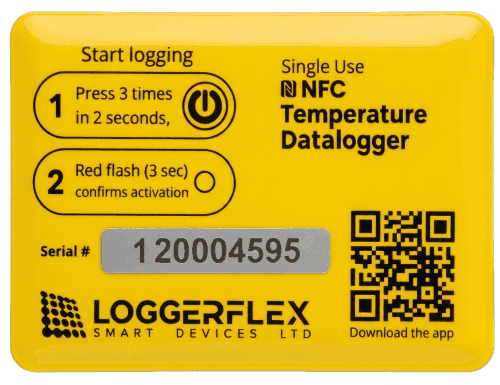
Microtherm NFC
Monitors: In-Transit Temp
- • Single-use Pallet Logger
- • End-of-route Export
- • Custody Chain Evidence
EDGE Essential Cellular
Monitors: Temp & Humidity LTE
- • Live Tracking in Commute
- • Geo location pinging
- • Real-time RH alerts
Unlock Yield via
Perfect VPD Tracking.
Crop yield volume directly depends on Vapor Pressure Deficit (VPD). The system bundles CO2, VOCs, Temperature, and Humidity all into one integrated unit, allowing growers to cheaply pepper massive greenhouses with dense micro-climate nodes to hunt down and eliminate yield-killing dead zones.
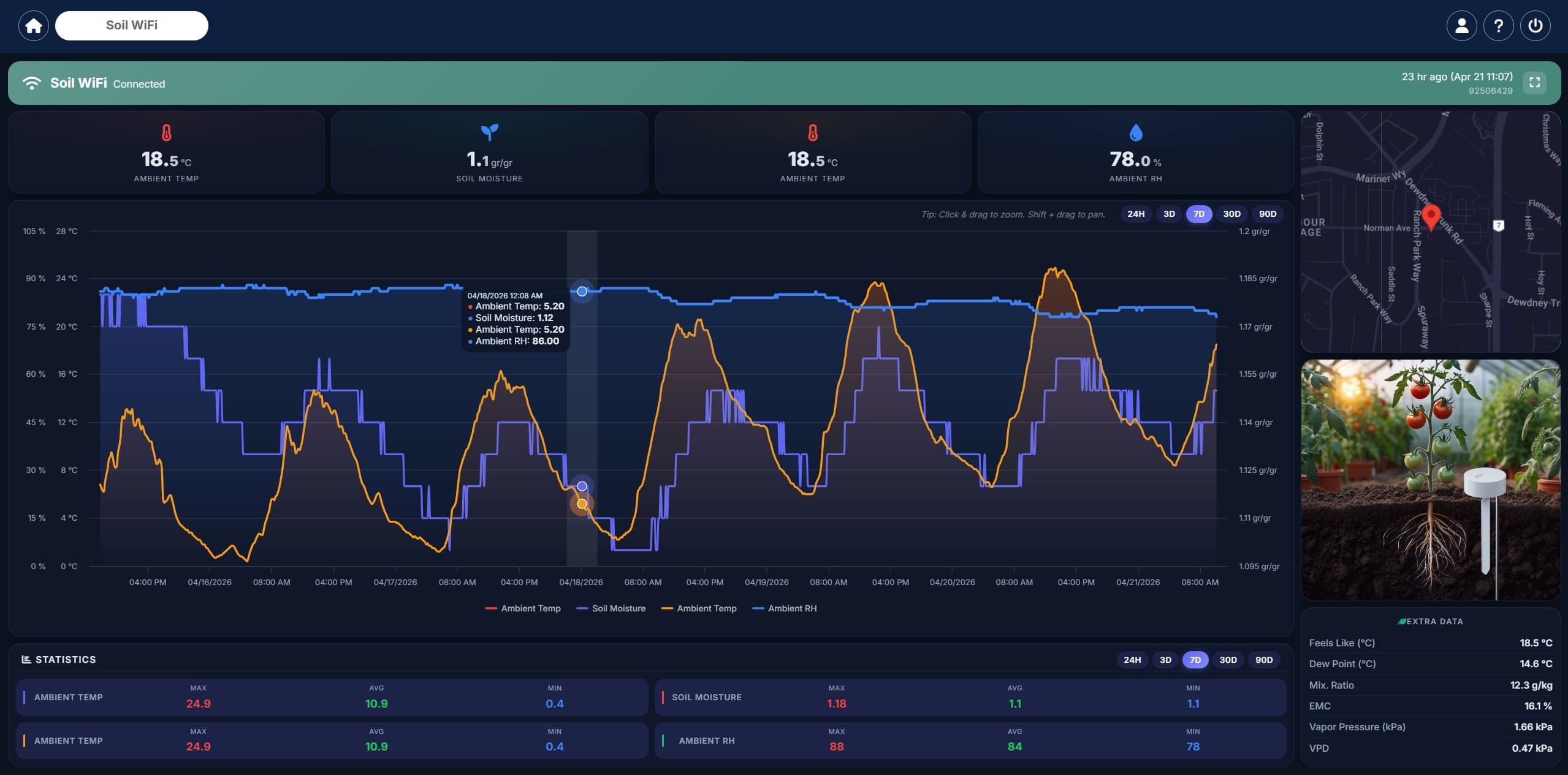
Live Dashboard VPD
No manual math. Automatic charting of perfect growing zones.
Micro-Climate Density
Affordable scaling across hundreds of square feet.
Ventilation Alerts
Get SMS alerts if CO2 levels spike or fans fail.
Zone-level water data where there is no power and no internet
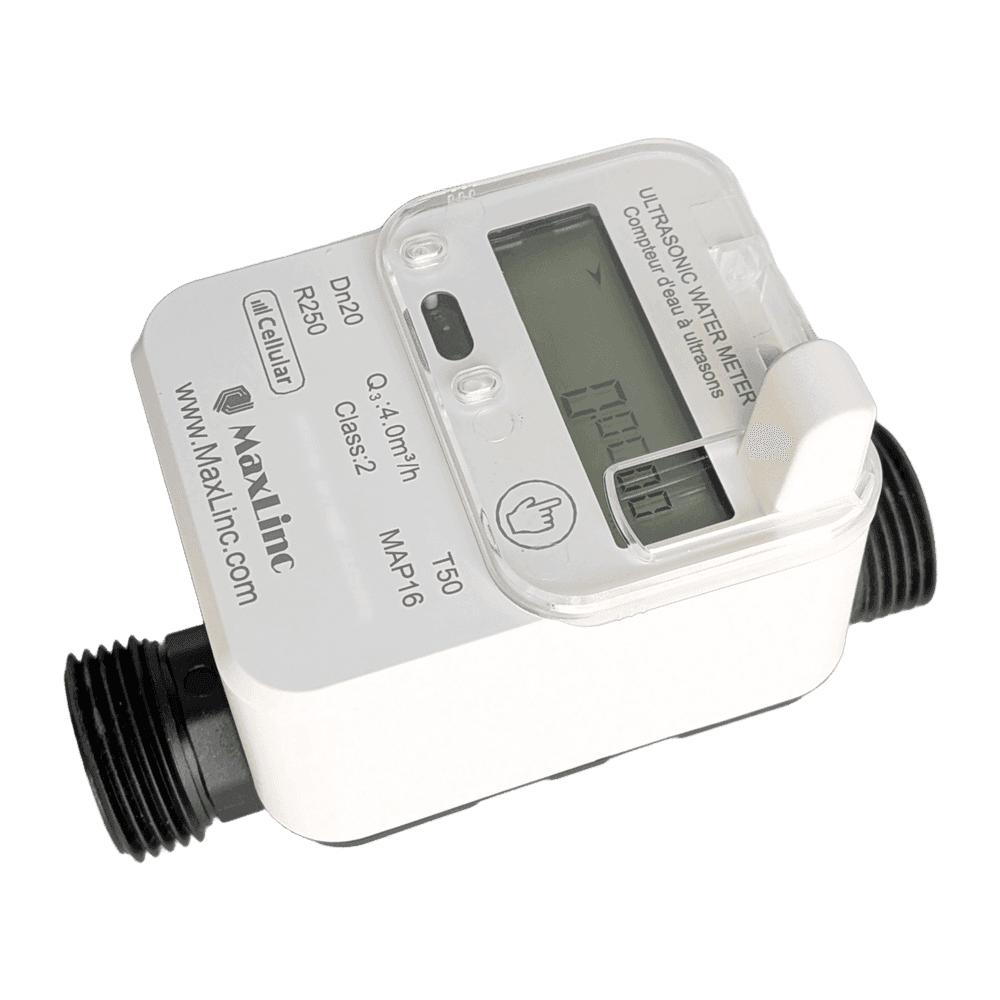
Put a meter on a greenhouse feed, an irrigation zone, a lateral or a barn line and read it from the same app as your climate sensors. The meter carries its own battery and its own SIM, so a valve box with no power and no WiFi is a normal install.
Per zone, not per farm
Meter each block, greenhouse or lateral separately, then export consumption to Excel for your own records.
Lives in a valve box
IP68 submersible and rated for buried pits. Ultrasonic transit-time measurement means no impeller to silt up or stick.
No gateway, no field network
Cellular with an eSIM already inside and unlimited international data: nothing to power, mount or maintain out in the field.
Sized for laterals, not intakes
DN20 and DN25 — 3/4" and 1" pipe. A water-licence intake is measured at the point of diversion and is far larger, so this is not the right meter for that.
Per meter, one-time. No subscription fee for the first 5 years: the data plan, the app and Canadian cloud hosting are included. From year 6 it is about $8.89 a year per meter (about 74¢ a month), billed annually. The built-in eSIM includes unlimited international data. No contract.
Dosing nutrients, or irrigating from a dugout or a well? Irrigation & fertigation water quality monitoring
A sealed lithium battery rated for about 6 years at one read per day, and a body rated from −25 to +55 °C (−13 to +131 °F) ambient. Drain and winterize the line before shutdown — water left inside can freeze and split any meter.
Frequently Asked Questions
What can I monitor in a greenhouse or vertical farm with MaxLinc sensors?+
Our EDGE and BLOCK loggers continuously track the environmental conditions that drive plant health: air temperature, relative humidity (for VPD), and pressure. Readings are logged on a set interval and pushed to the MaxLinc cloud, so you build a complete history of every grow zone, propagation room, and rack level without manual rounds.
How fast will I be alerted if my grow room drifts out of range?+
Data is logged continuously, and real-time alerts fire the moment a reading crosses a threshold you set. You can be notified by SMS, automated phone call, push notification, or email, so a failed HVAC unit, a stuck damper, or an overnight cold snap reaches you before crop stress or loss occurs.
Can MaxLinc help me manage vapour pressure deficit (VPD)?+
Yes. Because the loggers capture temperature and relative humidity together on the same device, the dashboard gives you the paired data needed to track VPD across each canopy and zone. You can review trends over time and set alert thresholds so conditions stay in the target band for vegetative or flowering stages.
Will the sensors hold up for cold post-harvest and cold-storage rooms?+
Yes, with the right logger. For coolers and cold-storage rooms, use the EDGE Thermo: its external probes read -55 to +125 °C (-67 to +257 °F), so you can verify potato, produce, and seed-stock storage stays at its target setpoint (for example a 2 to 4 °C / 36 to 39 °F cooler), and a door left open or a compressor failure shows up as a temperature rise that triggers an alarm right away.
Do I need to run wiring or a gateway to every grow zone?+
No. WiFi loggers connect over your existing network, and cellular loggers report on their own SIM with no local network at all, which is ideal for remote greenhouses, outbuildings, or storage barns. Power is from 4 AA alkaline batteries (up to three years on WiFi models, up to two years on cellular), with optional USB-C, so you can place a sensor anywhere a plant grows.
Related guides:
Maximize Every Harvest
Data-driven growing starts with precision environmental monitoring.
Get Started →